
The UK government has announced plans to cut climate aid to developing countries by around 14%, reducing it to roughly £2 billion per year, as part of a broader “refocus” of its foreign aid strategy. �
Carbon Brief +1
This move comes amid wider reductions in the UK’s overall aid budget, which is being scaled down to about 0.3% of gross national income, one of the lowest levels in recent decades. � The decision reflects growing pressure on government spending, particularly as funds are being redirected toward defence and security priorities in response to rising global instability. �
Clean Energy Wire +1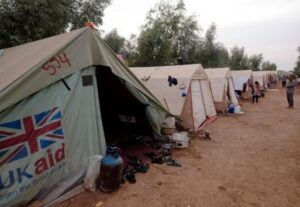
Carbon Brief
Under previous commitments, the UK had pledged billions toward international climate finance, including long-term funding frameworks designed to support vulnerable nations in adapting to climate change. However, the new plan shifts away from these multi-year commitments. Instead of maintaining earlier levels—such as the £11.6 billion pledged over five years—the government is now reducing both the scale and predictability of funding. �
Carbon Brief +1
The cuts are expected to have significant consequences for developing countries, particularly in regions already heavily impacted by climate change, such as parts of Africa and Asia. Climate aid typically supports projects like flood defences, renewable energy development, food security programmes, and disaster resilience systems. Reductions in funding could therefore weaken these efforts, leaving vulnerable communities more exposed to extreme weather events, rising sea levels, and economic disruption.
Critics—including environmental groups, development experts, and some politicians—have strongly opposed the decision. They argue that cutting climate aid at a time of escalating global climate risks is short-sighted and could ultimately increase instability. Some warn that reduced support may lead to greater poverty, migration pressures, and even conflict in already fragile regions. �
Clean Energy Wire
There are also concerns about the UK’s global reputation. The country has historically positioned itself as a leader in climate finance and international development, particularly following commitments made during major global climate summits. Scaling back funding could weaken its influence and credibility on the world stage.
Despite the criticism, the government maintains that the changes are necessary. Officials argue that the new approach will prioritize efficiency and target aid more strategically, especially toward conflict zones and areas of direct national interest.
In summary, the 14% cut to climate aid marks a significant shift in UK policy—one that reflects changing domestic priorities but raises serious questions about the future of global climate support and international cooperation.
Leave a Reply